In the era of cloud computing, video conferencing, and IoT devices, a reliable network is the single most critical piece of infrastructure in your business. And while Wi-Fi has become ubiquitous, the reality is that wireless connectivity alone is insufficient for most business environments. Professional structured network cabling is the backbone that makes everything else work — and for Atlanta businesses that want to operate at peak efficiency, it's a non-negotiable investment.
Wi-Fi Alone Is Not Enough
Wi-Fi is convenient and essential for mobile devices, but it has fundamental limitations that make it unsuitable as the sole network infrastructure for a business. Wireless signals are subject to interference from neighboring networks, physical obstructions, and the sheer volume of devices competing for bandwidth in a dense environment. In a busy office, restaurant, or retail store, Wi-Fi congestion can cause dropped video calls, slow file transfers, and unreliable VoIP performance — all of which directly impact productivity and customer experience.
Structured cabling provides a dedicated, interference-free connection for every device that needs reliable, high-bandwidth connectivity: workstations, servers, IP phones, security cameras, access control systems, point-of-sale terminals, and digital signage. When these devices are hardwired, your Wi-Fi network is freed up for the devices that genuinely need wireless connectivity — laptops, tablets, smartphones, and guest devices.
Structured Cabling as Your Building's Backbone
Think of structured cabling as the highway system of your building's technology infrastructure. Every device, system, and application ultimately depends on the quality and capacity of that highway. A poorly designed or installed cabling system creates bottlenecks, reliability problems, and limitations that constrain every technology system you add on top of it.
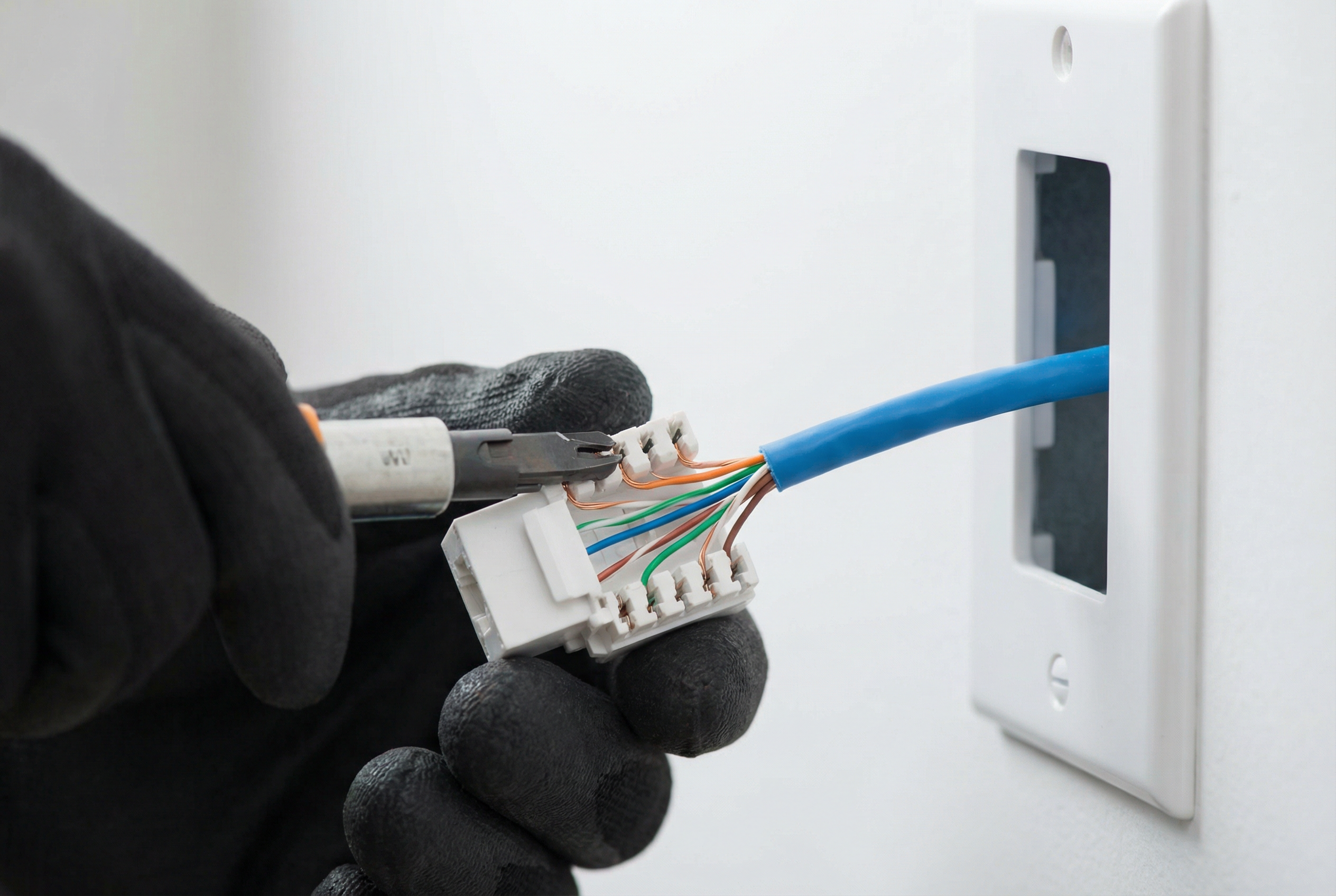
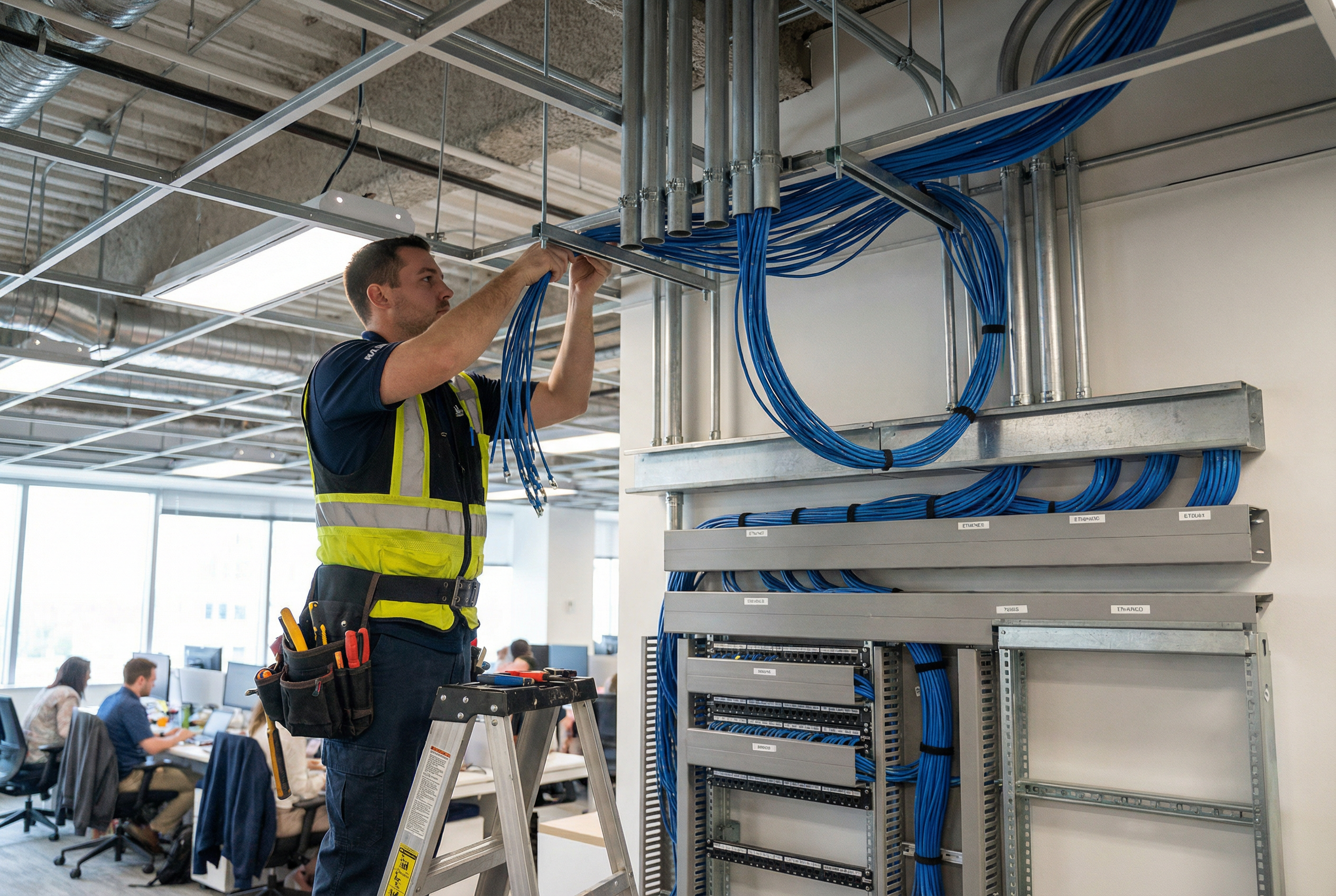
A professionally designed structured cabling system follows TIA/EIA standards for cable routing, termination, labeling, and testing. It's organized, documented, and scalable — meaning that adding new devices, moving workstations, or expanding your network is straightforward rather than a tangled mess of unlabeled cables running in every direction.
At LV Pros, every cabling installation is fully tested and certified using professional cable testing equipment — for both copper (Cat6 and Cat6a) and fiber optic runs. We provide printed certification reports documenting every run, every termination, and every test result. This gives you a complete, verifiable record of your infrastructure that's invaluable for troubleshooting, warranty claims, and future expansions.
Bandwidth Demands Are Only Going Up
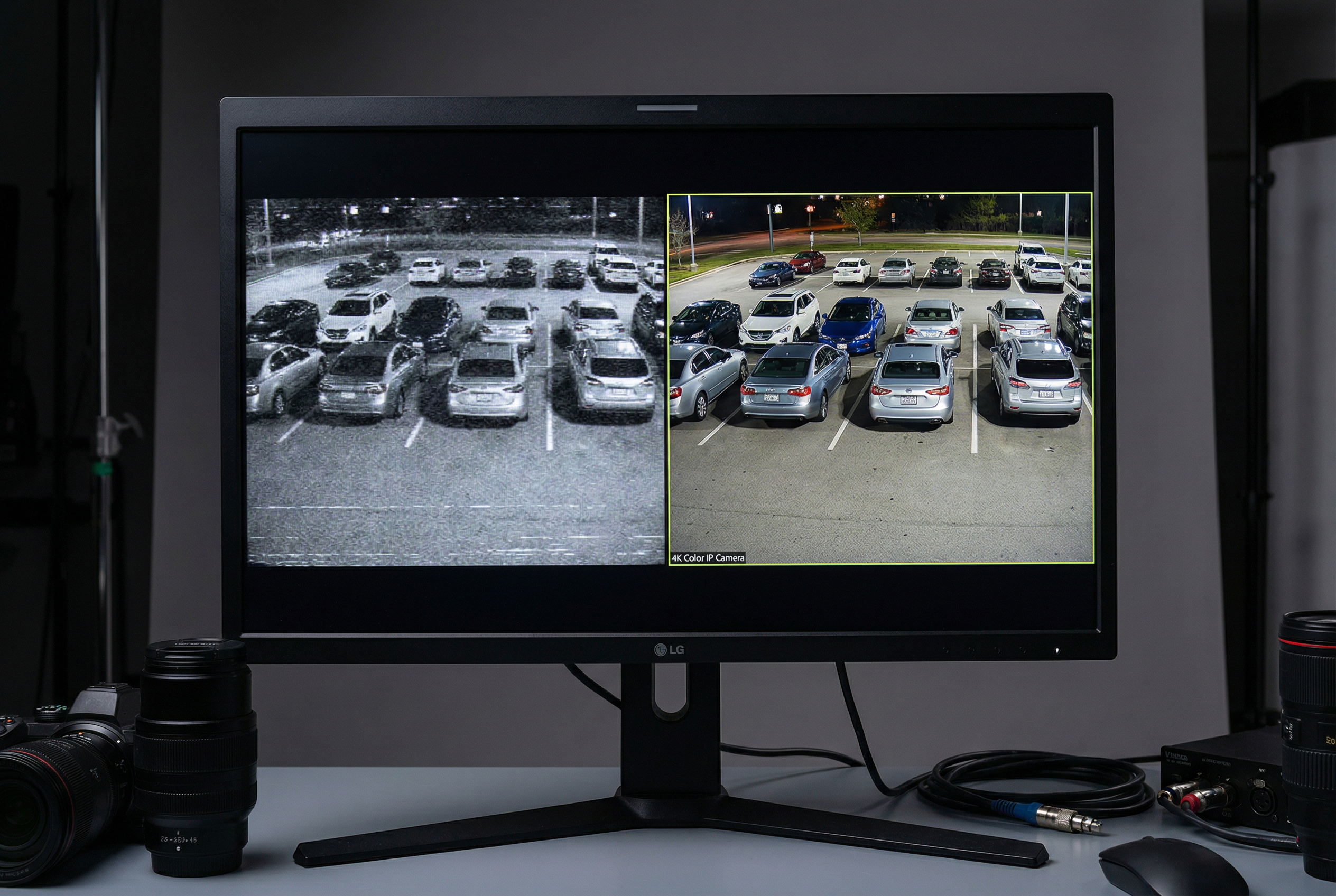
The bandwidth demands on business networks have increased dramatically over the past decade and show no signs of slowing. Video conferencing platforms like Zoom and Microsoft Teams, cloud-based applications, 4K security cameras, and the proliferation of IoT devices are all competing for bandwidth. A network that was adequate three years ago may be struggling today.
Future-proofing your cabling infrastructure means installing Cat6 or Cat6a today — even if your current switches and devices don't fully utilize its capacity. The performance headroom Cat6 and Cat6a provide for the next 10–15 years is significant, and for high-density or PoE-heavy environments, Cat6a is the clear choice. Re-cabling a building is expensive and disruptive; getting it right the first time is always the better investment.
Reliability and Uptime
For most Atlanta businesses, network downtime is directly equivalent to lost revenue. Every minute your POS system is offline, your VoIP phones are dead, or your employees can't access cloud applications is a minute of lost productivity and potentially lost customers. A properly installed and tested structured cabling system is extraordinarily reliable — Cat6 cable has a rated lifespan of 25+ years under normal conditions.
By contrast, wireless networks are inherently less reliable. Access points fail, firmware updates cause outages, and interference issues can arise unexpectedly. A hybrid approach — wired connections for critical devices, Wi-Fi for mobile devices — provides the best of both worlds: the reliability of a wired backbone with the flexibility of wireless connectivity where it's needed.
Code Compliance and Professional Standards
In Georgia, low voltage cabling installations in commercial buildings must comply with the National Electrical Code (NEC) and local building codes. Improperly installed cabling — including cables that aren't properly rated for the spaces they run through (plenum vs. riser vs. general use) — can create fire hazards and code violations that result in failed inspections and costly remediation.
LV Pros is a licensed and insured low voltage contractor. Every installation we perform is code-compliant, properly documented, and backed by our workmanship guarantee. We pull the appropriate permits when required and ensure that every aspect of the installation meets or exceeds applicable standards. This protects you from liability and ensures that your infrastructure passes inspection.
Ready to Take the Next Step?
Professional network cabling is one of the highest-ROI investments an Atlanta business can make. It improves reliability, supports growth, enables every technology system in your building, and provides a foundation that will serve you for decades. Every LV Pros installation is fully certified — copper and fiber alike — with printed test reports you keep for your records. Contact us today for a free consultation and site assessment.