Security technology has advanced dramatically over the past decade. Systems that were considered state-of-the-art in 2015 are now obsolete — and the gap between old and new isn't just about picture quality. Modern systems offer remote access, AI-powered analytics, cloud storage, video verification, and integration with access control and alarm systems that simply weren't possible with older technology. If you're still running an analog or early-generation IP system, here are five signs it's time to make the upgrade.
1. Your Footage Is Blurry or Unusable
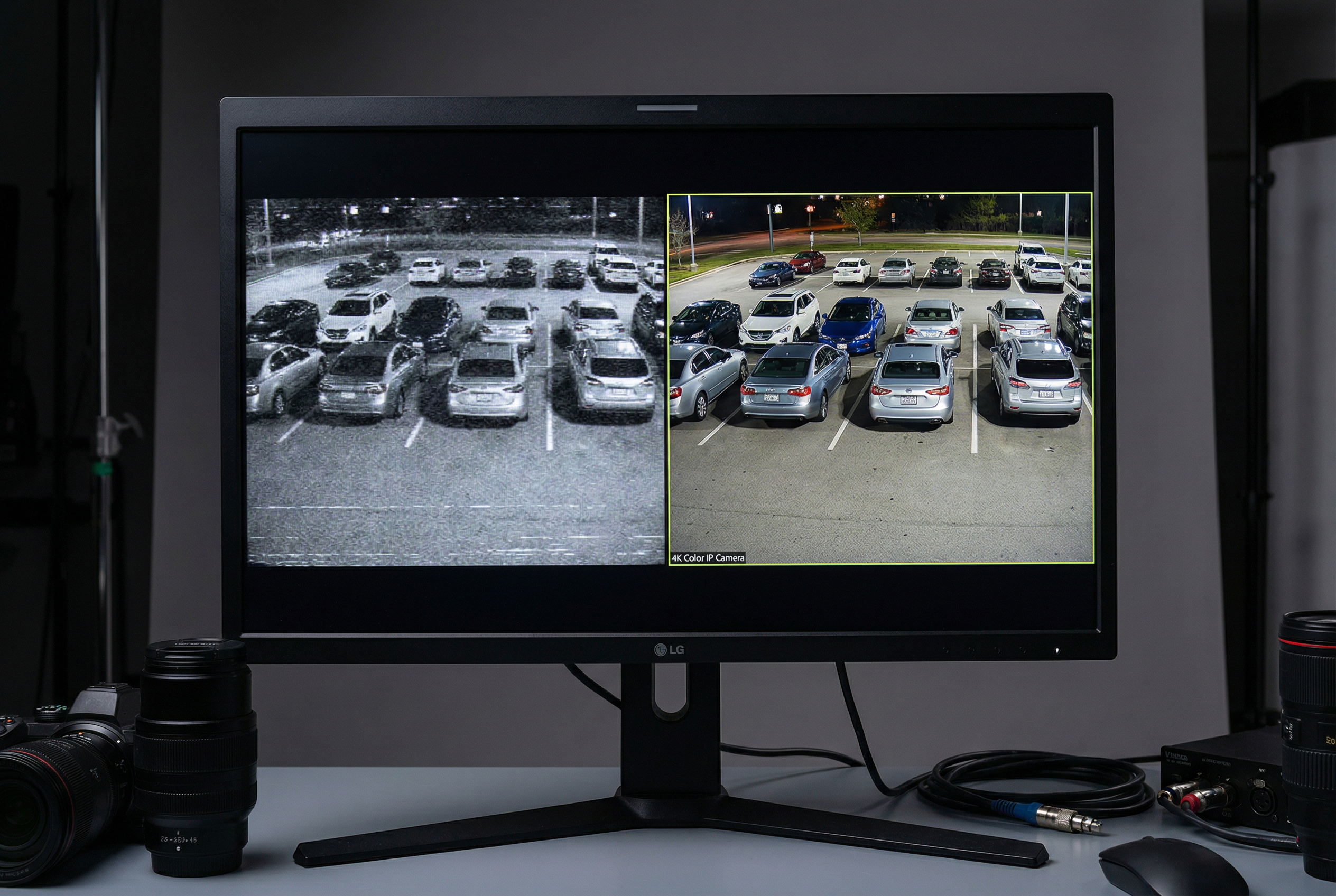
This is the most obvious sign, but it's worth stating clearly: if your cameras can't capture a clear image of a person's face or a vehicle's license plate, your security system is failing at its most basic job. Analog cameras from the early 2010s typically captured footage at 480p or lower — roughly the resolution of a DVD. Modern IP cameras capture at 1080p, 4K, or even higher, with wide dynamic range technology that handles challenging lighting conditions like backlit doorways and bright parking lots.
If you've ever had an incident and found that your footage was too blurry to identify a suspect or read a plate number, that's a clear signal that your system needs to be replaced. The cost of a modern camera system is almost always less than the cost of a single unresolved theft or liability claim.
2. You Can't Access Your System Remotely
If checking your cameras requires you to be physically present at your business — or to log into a clunky DVR interface on a dedicated monitor — you're missing one of the most valuable features of modern security systems. Today's IP camera platforms allow you to view live and recorded footage from any smartphone, tablet, or computer, from anywhere in the world.
For business owners who manage multiple locations, travel frequently, or simply want the peace of mind of being able to check in after hours, remote access is essential. Modern platforms like OpenEye and Turing.ai provide intuitive mobile apps with live views, motion alerts, and clip sharing — all accessible with a few taps on your phone.
3. Your System Is Analog or Uses Coaxial Cable
Analog CCTV systems that use coaxial cable (RG59 or RG6) are a clear indicator of outdated technology. While some hybrid systems can partially upgrade analog infrastructure, the limitations of coaxial cable — lower bandwidth, no Power over Ethernet, limited distance — mean that a full replacement is usually the more cost-effective long-term solution.
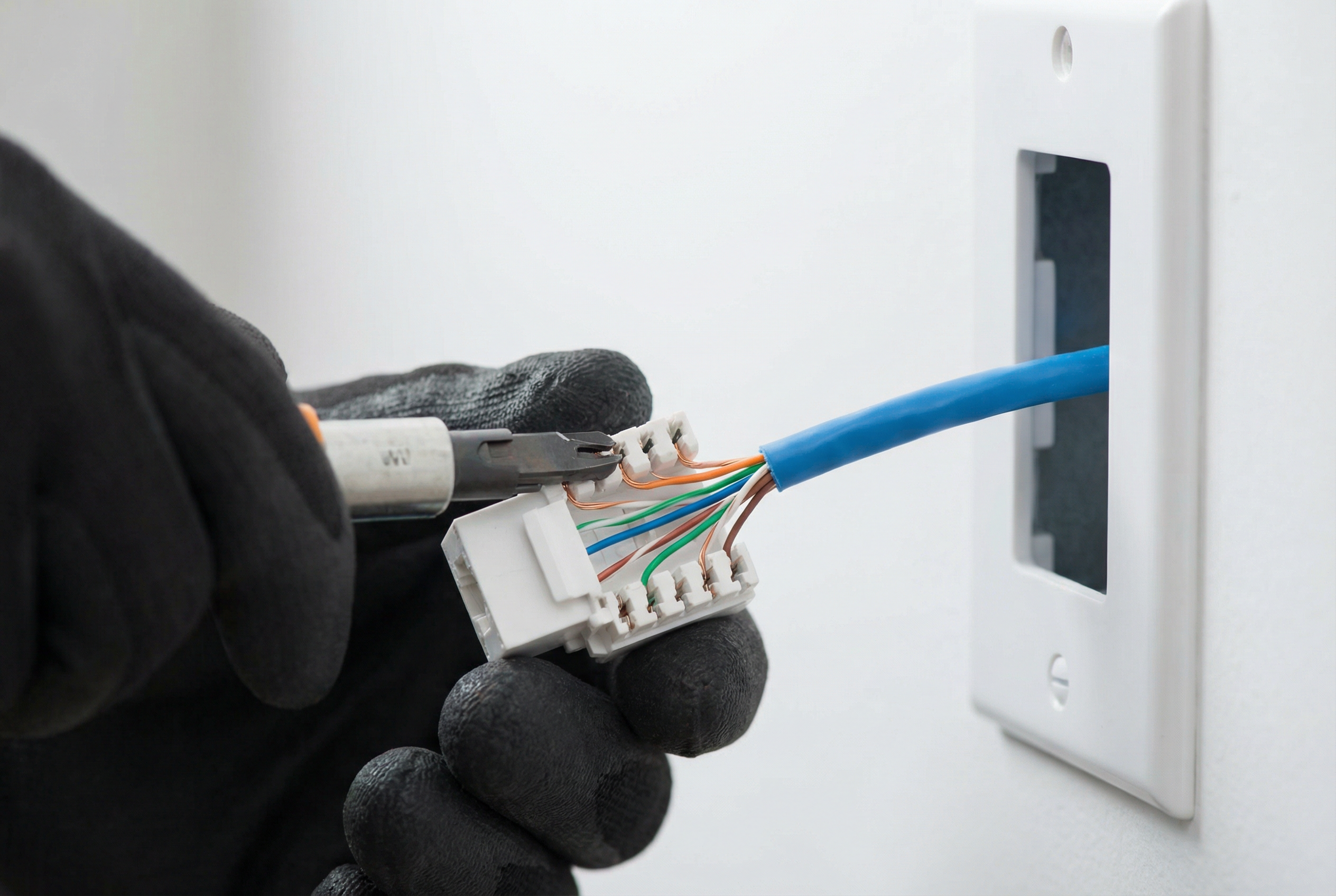
Modern IP camera systems run on standard Cat6 network cabling, which supports higher bandwidth, Power over Ethernet (eliminating the need for separate power runs to each camera), and integration with your existing network infrastructure. If your building is still wired for analog cameras, the cabling replacement is an investment that pays dividends across every technology system in your facility.
4. You Have No AI or Smart Analytics
Modern security cameras are no longer passive recording devices — they're intelligent sensors. AI-powered analytics can distinguish between a person, a vehicle, and an animal; detect when someone lingers in a restricted area; recognize license plates automatically; count people entering and exiting; and send instant alerts when specific events are detected.
For restaurants, this means getting an alert when someone is in the kitchen after hours. For retail stores, it means tracking customer traffic patterns and identifying high-shrinkage zones. For warehouses, it means detecting unauthorized access to restricted areas in real time. If your current system can only record and playback, you're leaving significant value on the table.
5. You Have No Video Verification for Alarm Response
One of the most significant advances in modern security is video verification — the ability to visually confirm an alarm event before dispatching law enforcement. Traditional alarm systems generate a high rate of false alarms, which has led many police departments to deprioritize unverified alarm calls. In some jurisdictions, repeated false alarms result in fines and reduced response priority.
With video verification, when an alarm is triggered, a monitoring center operator (or you, via your mobile app) can immediately pull up live or recorded footage to confirm whether the event is a genuine threat. Verified alarms receive dramatically faster law enforcement response times — in many cases, the difference between catching an intruder in the act and arriving to an empty building.
Modern platforms like OpenEye and Turing.ai support video verification workflows natively, allowing your monitoring provider to access footage in real time when an alarm event occurs. If your current system doesn't support video verification, you're operating with a significant gap in your security posture.
Bonus: Your System Requires Frequent Repairs or Has Dead Cameras
Every security system has a lifespan. If you're regularly calling a technician to replace failed cameras, repair DVR issues, or troubleshoot connectivity problems, the cumulative cost of maintenance is likely approaching or exceeding the cost of a full replacement. Modern IP camera systems from commercial-grade manufacturers are designed for 5–10 years of reliable operation with minimal maintenance.
If you have cameras that have been offline for weeks or months because repairs keep getting deferred, those are blind spots in your security coverage — and they're often the spots that bad actors will exploit. A fresh installation with a service plan ensures your system stays operational and your coverage stays complete.
Ready to Take the Next Step?
If any of these signs describe your current security system, it's time to have a conversation with a professional. LV Pros provides free security system assessments for businesses throughout Metro Atlanta. We'll evaluate your current system, identify gaps in coverage, and recommend a modern solution that fits your budget and your needs. Contact us today to schedule your free assessment.